
Best Way to Ship a Car During Military Relocation
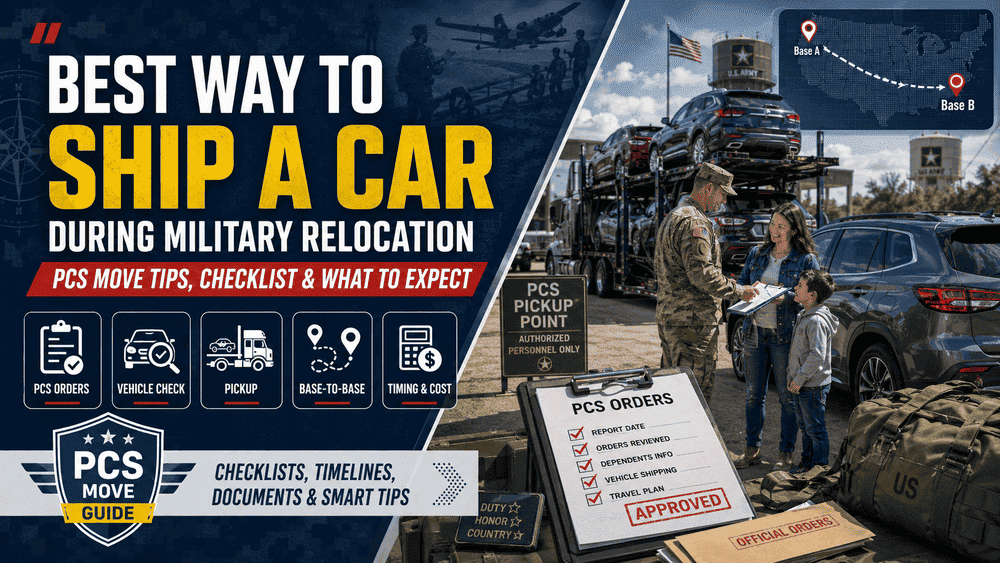
The best way to ship a car during military relocation depends on your PCS orders, destination, timeline, budget, and whether the move is CONUS or OCONUS. For many moves inside the contiguous United States, service members compare private auto transport companies and pay for vehicle shipping themselves. For some overseas or outside-CONUS moves, government-authorized POV shipment or storage may apply. However, the rules depend on orders and eligibility. This guide explains how military PCS car shipping works, what options to compare, how to avoid timing problems, and how to prepare your vehicle before pickup.
What is military relocation car shipping?
Military relocation car shipping is the transport of a privately owned vehicle during a military move, often connected to PCS orders, deployment-related logistics, or a permanent change of duty station.
A PCS, or Permanent Change of Station, is a military move from one duty station to another. During a PCS, service members and families may need to move household goods, personal belongings, pets, and vehicles.
A POV, or privately owned vehicle, is a personal vehicle owned or leased by the service member or dependent. Military vehicle shipping often refers to moving a POV by carrier truck, vehicle processing center, or ocean transport, depending on the destination.
For CONUS moves, which means moves inside the contiguous United States, many service members either drive the vehicle or compare private car shipping companies. For OCONUS moves, which means outside the contiguous United States, official POV shipment or storage may be available if the orders authorize it.
Why vehicle shipping matters during a military move
Vehicle shipping matters during military relocation because PCS timelines are often strict. A delayed pickup, missed delivery window, or unclear vehicle policy can create stress during an already complex move.
Military families often need to coordinate report dates, housing, flights, school schedules, temporary lodging, pet travel, and household goods delivery. Therefore, vehicle timing can affect the entire relocation plan.
For example, a service member moving from California to Virginia may not want to drive one vehicle across the country while also managing dependents, pets, and household goods. A family relocating from Texas to Florida may have two vehicles but only one practical driver. A move from New York to California may involve enough distance that shipping one car and flying can make more sense than adding thousands of miles.
However, military car shipping is not one simple rule. The best option depends on the type of move, the orders, the number of vehicles, the destination, and how much flexibility the family has.
CONUS vs OCONUS military vehicle shipping
The first question is whether the relocation is CONUS or OCONUS. This affects cost, process, timing, and who may arrange the shipment.
Move type | What it means | Common vehicle option | Key point |
|---|---|---|---|
CONUS to CONUS | Within the 48 contiguous states | Drive, ship privately, or use special authorized options | Many families compare private carriers |
CONUS to OCONUS | Mainland USA to overseas or outside CONUS | Authorized POV shipment may apply | Check orders and VPC requirements |
OCONUS to CONUS | Overseas or outside CONUS back to mainland USA | Authorized POV return shipment may apply | Follow official POV process |
OCONUS to OCONUS | Outside CONUS to another outside-CONUS location | Depends on country and orders | Some locations restrict POV import |
Second vehicle move | Moving more than one vehicle | Often private auto transport | Confirm reimbursement rules first |
For CONUS moves, service members often drive one vehicle and ship another at personal expense. In some cases, specific orders or circumstances may authorize vehicle shipment, but this is not automatic.
For OCONUS moves, the government may pay to ship or store one POV if the service member qualifies and the orders authorize it. However, some countries restrict vehicle imports, so the local transportation office and official POV resources matter.
Best way to ship a car during military relocation
The best way to ship a car during military relocation is to first confirm your PCS vehicle entitlement, then compare private carrier options if the shipment is not fully handled through official military channels.
A practical decision process looks like this:
For the general state-to-state shipping process, read How to Ship a Car to Another State. For a vehicle preparation checklist, read How to Prepare Car for Long-Distance Shipping.
Main military car shipping options
Military families usually compare four main options: drive the car, ship by open carrier, ship by enclosed carrier, or use official POV processing for eligible OCONUS moves.
Option | Best for | Pros | Cons |
|---|---|---|---|
Drive the vehicle | Shorter CONUS moves, flexible timelines | Lower direct cost, full control | Adds mileage, fuel, lodging, time, and wear |
Open carrier | Standard vehicles and long CONUS moves | Usually affordable and widely available | Vehicle stays exposed to weather and road debris |
Enclosed carrier | Luxury, classic, collector, or high-value cars | Better protection | Higher cost and fewer trailer spots |
Official POV shipment | Eligible OCONUS PCS moves | May be government-arranged | Requires orders, documentation, and VPC process |
Private second-vehicle shipping | Families with more than one vehicle | Helps avoid multiple drivers | Usually out-of-pocket unless authorized |
An open carrier is an uncovered multi-car trailer. It is the most common way to ship a standard car, SUV, or pickup across the United States.
An enclosed carrier is a covered trailer that protects the vehicle from weather, dust, and road debris. It costs more but can make sense for valuable vehicles.
An auto transport broker is a company that connects customers with carriers. A carrier is the company that operates the truck. A broker may help compare availability across routes, while the carrier performs the actual transport.
How much does military car shipping cost?
Military car shipping cost depends on distance, vehicle size, transport type, route demand, pickup flexibility, delivery location, and season.
For private CONUS auto transport, planning ranges often look like this:
Route type | Open carrier estimate | Enclosed carrier estimate |
|---|---|---|
Short regional move | $400–$800 | $700–$1,200 |
Medium state-to-state move | $700–$1,200 | $1,000–$1,800 |
Long-distance move | $900–$1,700 | $1,400–$2,400 |
Cross-country move | $1,100–$1,900 | $1,700–$2,700+ |
Expedited military move | $1,500–$2,900+ | $2,000–$3,500+ |
These are general planning estimates, not guaranteed quotes. A compact sedan from Texas to Florida may cost less than a lifted pickup from California to New York. A flexible pickup near a major city may also price better than a remote base-area pickup.
Expedited shipping means priority pickup or faster scheduling. It can help when report dates are tight, but it usually costs more than standard scheduling.
How long does military car shipping take?
Military car shipping usually takes 1 to 14 days after pickup for most CONUS routes, depending on distance. Pickup scheduling can add another 1 to 5 days or more.
Distance | Typical transit time after pickup |
|---|---|
Under 500 miles | 1–3 days |
500–1,000 miles | 2–5 days |
1,000–1,500 miles | 3–6 days |
1,500–2,500 miles | 5–9 days |
2,500+ miles | 7–14 days |
For military relocation, timing matters more than the average estimate. Report dates, housing availability, leave dates, and flight schedules can make a normal delay feel serious.
Therefore, build extra time into the plan. Avoid booking pickup for the same day you leave housing. Also avoid assuming the car will arrive the exact day you reach the new duty station.
Choosing between driving and shipping during PCS
Driving and shipping both make sense in different situations. The right choice depends on distance, family needs, reporting timeline, vehicle condition, and cost.
Driving may work better when:
The move is short or moderate distance
You have enough travel days
The vehicle is reliable
You need the car immediately at arrival
You want to control the route and timing
You have only one vehicle
Shipping may work better when:
The route is cross-country
You have multiple vehicles
You are moving with children or pets
You have limited travel time
You want to avoid mileage and road wear
Your spouse or dependent cannot drive the second car
Your report date creates pressure
The vehicle is valuable or not ideal for a long road trip
A driveaway service means someone drives the vehicle to the destination instead of loading it onto a carrier. It can work in specific cases, but it adds mileage and wear to the car.
How to prepare a car for military relocation shipping
Vehicle preparation helps avoid pickup delays and delivery disputes. It also makes the inspection process cleaner.
Before pickup:
If your move involves official OCONUS POV shipment, follow the required documentation and vehicle processing center instructions. The official PCSmyPOV resource is available at PCSmyPOV.
Personal items and military car shipping
The safest rule is to remove personal items before shipping a vehicle during military relocation.
Some private carriers may allow limited lightweight items in the trunk or below the window line. However, the rule varies by company. Even when allowed, those items usually travel at the owner’s risk.
Do not leave these items in the vehicle:
Military documents or PCS orders
Passports, IDs, birth certificates, or legal documents
Cash, jewelry, watches, or valuables
Laptops, tablets, cameras, or electronics
Medication or medical devices
Firearms, ammunition, or controlled items
Food, liquids, aerosols, or hazardous materials
Household goods or heavy boxes
Uniform items needed during travel
Garage remotes, toll tags, or parking passes
Keep important military paperwork with you, not in the vehicle. This is especially important when moving through temporary lodging, flights, base check-in, or overseas processing.
OCONUS vehicle shipping and POV processing
OCONUS vehicle shipping can follow a different process than private CONUS car shipping.
For many eligible OCONUS PCS moves, service members may use an official vehicle processing center, often called a VPC. The VPC handles vehicle turn-in, inspection, documentation, and shipment steps.
However, eligibility depends on orders and destination rules. Some countries may restrict POV imports. In other cases, POV storage may apply instead of shipment.
Before planning an OCONUS vehicle move, confirm:
Whether POV shipment is authorized on the orders
Whether the destination allows the vehicle
Which VPC location applies
Required documents and appointments
Vehicle cleanliness and fuel rules
Lienholder or leaseholder requirements
Insurance and registration requirements
Pickup process at the destination VPC
Military OneSource has official PCS and POV guidance at Military OneSource PCS Moving Guide. For common PCS questions, review Military PCS and Moving FAQs.
Regional and state planning for military moves
Military relocation often connects to major bases, ports, training locations, and metro areas. Carrier availability can vary by state, so state-level comparison helps when planning a private vehicle shipment.
California
California is important for West Coast PCS moves, Navy, Marine Corps, Air Force, and large metro relocations. Los Angeles, San Diego, San Francisco, and Sacramento can offer strong carrier availability.
Compare California car shipping companies when planning a move from or to California.
Florida
Florida matters for military families moving through Jacksonville, Tampa, Miami, Orlando, Pensacola, and other military-connected areas. Seasonal demand can affect timing, especially during winter and summer.
Compare Florida car shipping companies for Florida-based PCS vehicle moves.
Illinois
Illinois can support Midwest military and relocation routes, especially through Chicago, Springfield, Rockford, and Peoria. It also connects well with East Coast, West Coast, and Southern lanes.
Compare Illinois car shipping companies for Midwest vehicle shipping options.
Michigan
Michigan can matter for Great Lakes moves, northern routes, vehicle purchases, and family relocations. Winter weather can affect pickup and delivery timing.
Compare Michigan car shipping companies when planning a move involving Detroit, Grand Rapids, Lansing, Ann Arbor, or surrounding areas.
New York
New York can involve dense pickup areas, toll roads, parking limits, and busy Northeast routing. New York City, Long Island, Buffalo, Albany, and Rochester may require careful pickup planning.
Compare New York car shipping companies for Northeast military relocation options.
Ohio
Ohio connects well with Midwest and East Coast routes. Columbus, Cleveland, Cincinnati, Dayton, and Toledo can be practical pickup or delivery markets.
Compare Ohio car shipping companies for Ohio-based PCS vehicle shipping.
Pennsylvania
Pennsylvania can involve Philadelphia, Pittsburgh, Harrisburg, Allentown, Erie, and nearby military or government-connected moves. Dense urban delivery areas may require a nearby meeting point.
Compare Pennsylvania car shipping companies for Pennsylvania vehicle shipping options.
Texas
Texas is one of the most important military relocation states because of its size, major bases, and long-distance route demand. Houston, Dallas, Austin, San Antonio, El Paso, and nearby areas often have strong transport activity.
Compare Texas car shipping companies for Texas PCS and military car shipping options.
Virginia
Virginia is especially relevant for military families because of Norfolk, Virginia Beach, Richmond, Arlington, Alexandria, and other defense-connected areas. Access planning can matter near dense neighborhoods and base-adjacent roads.
Compare Virginia car shipping companies for Virginia-based military relocation vehicle moves.
How to choose a military car shipping company
The best military car shipping company should combine route experience, flexible scheduling, clear communication, and realistic delivery windows.
Military relocation creates timing pressure. Therefore, the company should understand report dates, base-area access, temporary lodging, short-notice orders, and family scheduling needs.
Before choosing a provider, compare:
Experience with PCS and military relocation moves
Open carrier and enclosed carrier availability
Door-to-door delivery options
Ability to serve base-adjacent cities and nearby metro areas
Pickup flexibility around report dates
Communication during dispatch and transit
Insurance details and damage claim process
Reviews from long-distance or military customers
Fees for expedited pickup, inoperable vehicles, or oversized vehicles
Whether the quote matches your vehicle and route
You can start by comparing companies by location at bestcarshippingcompanies.org. The directory helps users compare car shipping companies by city, route, reviews, transport type, and service coverage.
How bestcarshippingcompanies.org helps with military relocation
bestcarshippingcompanies.org helps military families compare car shipping companies by city, state, route, service type, reviews, and transport coverage.
This is useful because military relocation is not only about finding the cheapest quote. A good provider should fit the route, pickup window, vehicle type, and timeline. For example, a cross-country PCS from California to Virginia may need different carrier coverage than a regional move from Florida to Texas.
The platform includes company profiles, approved listings, state pages, and route pages. Users can compare open carrier, enclosed carrier, door-to-door delivery, expedited shipping, long-distance shipping, and other service options.
For route-based planning, browse popular car shipping routes. For state-based planning, start with the state pages listed above.
Common mistakes during military PCS car shipping
Military moves often happen under pressure. These mistakes can create avoidable delays or extra cost.
Assuming the military always pays to ship the car
Do not assume POV shipment is covered. For many CONUS moves, service members drive or arrange private shipping at personal expense.
Always check the orders and contact the transportation office before making plans.
Booking too late
PCS season can create high demand. Last-minute booking may limit carrier options and raise prices.
Book as early as possible after you know your report date, housing timeline, and vehicle plan.
Choosing the cheapest quote only
The cheapest quote may not provide the best pickup timing or communication. If the rate is too low for the route, the vehicle may wait longer for carrier assignment.
Compare price, reviews, timing, transport type, and terms together.
Not planning for base access
Some carriers may not enter military installations. Security rules, gate access, and truck restrictions can affect pickup or delivery.
In many cases, it is easier to meet the carrier at a nearby public location with safe truck access.
Leaving documents in the vehicle
PCS orders, passports, IDs, registration papers, medical records, and school documents should stay with the family.
Do not pack important documents inside a shipped vehicle.
Forgetting toll tags and parking permits
Toll tags may register charges during transport. Parking permits, base passes, and garage remotes can also get lost.
Remove or disable them before pickup.
Skipping photos and inspection
Photos help protect you if a damage issue appears at delivery. Take clear pictures before pickup and compare them at delivery.
Review the bill of lading before signing at both ends.
Military relocation car shipping checklist
Use this checklist before booking and pickup.
Before booking
Confirm whether the move is CONUS or OCONUS
Review PCS orders for POV shipment authorization
Contact the transportation office if unsure
Decide whether to drive or ship the vehicle
Compare open and enclosed transport
Compare several companies by route and reviews
Ask about pickup windows and delivery estimates
Confirm whether base access affects pickup
Ask about military-friendly scheduling
Before pickup
Wash the vehicle
Remove personal items
Remove toll tags and parking passes
Take clear photos
Check battery and tires
Note existing damage
Leave about one-quarter tank of fuel
Prepare keys for the driver
Keep PCS documents with you
Confirm driver contact details
At delivery
Inspect the car before signing
Compare condition with pickup photos
Check bumpers, roof, wheels, glass, and mirrors
Note any new damage on the bill of lading
Take delivery photos
Keep all paperwork
Frequently Asked Questions
What is the best way to ship a car during military relocation?
The best way to ship a car during military relocation is to confirm your PCS vehicle entitlement first, then compare carrier options if private shipping is needed. For many CONUS moves, open carrier transport with flexible dates is the most practical option. For high-value vehicles, enclosed transport may be better.
Does the military pay to ship a car during PCS?
The military may pay to ship or store one POV for some OCONUS moves if the orders authorize it. For many CONUS moves inside the contiguous United States, service members often drive or pay for private vehicle shipping themselves. Always confirm with your transportation office.
Can I ship a second car during military relocation?
Yes, you can often ship a second car privately during military relocation. However, reimbursement or government-arranged transport for a second vehicle is not automatic. Check your orders, entitlements, and transportation office guidance before assuming coverage.
How early should I book military car shipping?
Book as soon as your PCS timeline is clear. A one-to-two-week lead time may work for many CONUS routes, but more time is better during PCS season, summer moves, enclosed transport, or remote pickup locations. Short-notice orders may require expedited shipping.
Is open or enclosed transport better for military moves?
Open transport is usually better for standard vehicles because it costs less and has more carrier availability. Enclosed transport is better for luxury, classic, exotic, collector, or high-value vehicles. The right choice depends on budget, vehicle value, and timing.
Can a carrier pick up my car on base?
Some carriers may not enter military installations because of access rules, security checks, or truck restrictions. A nearby public meeting point can make pickup easier. Confirm the plan with the carrier before pickup day.
What documents should I keep with me during military car shipping?
Keep PCS orders, IDs, passports, registration, insurance, medical records, school documents, and other important paperwork with you. Do not leave them inside the shipped vehicle. The driver may also provide or request shipment paperwork such as the bill of lading.
Can I leave military gear or personal items in the car?
The safest choice is to remove military gear and personal items before shipping. Personal items usually are not covered by auto transport insurance. Important gear, documents, uniforms, electronics, and valuables should travel with you.
Related posts

Blog
Car Shipping Quotes: Compare Companies in the USA
Car shipping quotes are price estimates from auto transport companies for moving a vehicle from a pickup location to a delivery location.
Blog
How Much Does It Cost to Ship a Car Internationally? (Pricing Guide)
Destination is the single biggest variable in international auto shipping. Ocean freight rates vary widely based on route demand, port infrastructure, and available carriers.
Blog
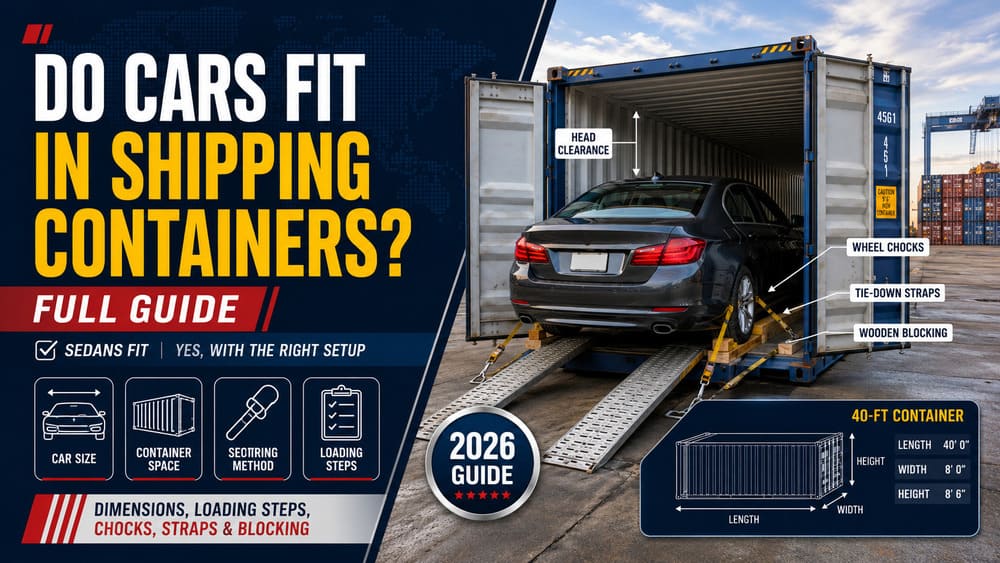
Do Cars Fit in Shipping Containers? Full Guide
Car container shipping is a vehicle transport method where a car is loaded inside a steel shipping container and moved by truck, rail, or ocean vessel.