
Do Cars Fit in Shipping Containers? Full Guide
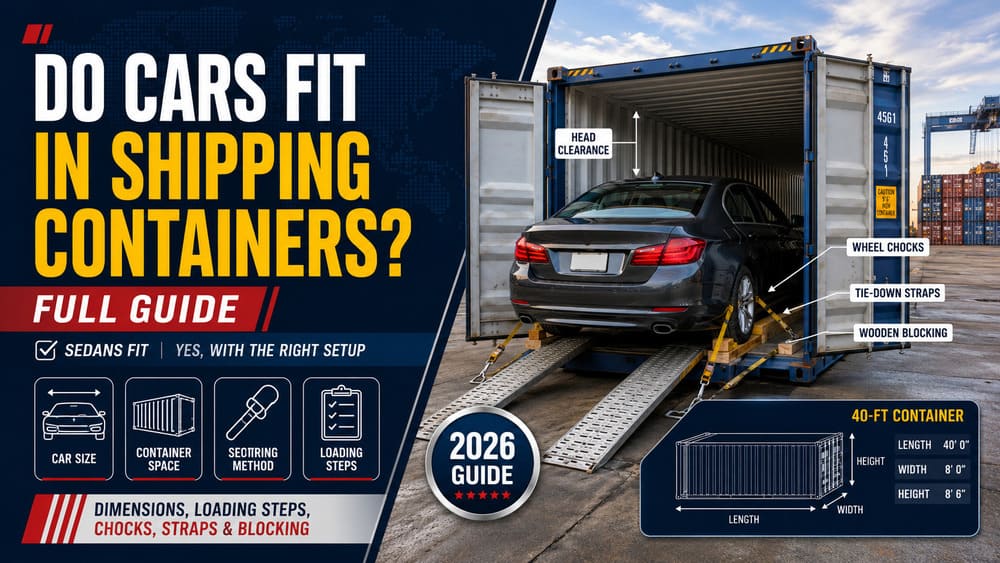
Yes, do cars fit in shipping containers is a common question, and the answer is yes for many standard vehicles. Most sedans, coupes, compact SUVs, motorcycles, and some small pickups can fit inside standard ocean containers. However, vehicle length, width, height, ground clearance, loading method, and door opening size all matter. A car may technically fit inside the container but still be difficult to load safely. This guide explains container sizes, how many cars fit, how vehicles are secured, what affects cost, and when container shipping makes more sense than RoRo or standard open carrier transport.
What is car container shipping?
Car container shipping is a vehicle transport method where a car is loaded inside a steel shipping container and moved by truck, rail, or ocean vessel.
This method is most common for international auto transport, Hawaii shipments, Alaska shipments, high-value vehicles, classic cars, collector cars, and situations where extra protection is needed. Instead of sitting exposed on an open trailer or vessel deck, the vehicle travels inside a closed container.
A shipping container is a standardized steel cargo box used in ocean freight and intermodal transport. Most vehicle shipments use 20-foot, 40-foot, or 40-foot high cube containers.
An open carrier is an uncovered multi-car trailer used for most domestic vehicle shipping in the United States. An enclosed carrier is a covered car trailer used for high-value domestic transport. A shipping container is different because the vehicle is placed inside an ocean freight container instead of a car-hauling trailer.
RoRo, or roll-on/roll-off shipping, means the vehicle is driven onto a specialized vessel and driven off at the destination port. RoRo is often cheaper than container shipping, but container shipping can offer more protection and flexibility for certain vehicles.
Why container size matters for car shipping
Container size matters because a vehicle must fit through the door, clear the roof, leave room for the driver or loader, and allow space for tie-downs.
A standard car may be 6 to 6.5 feet wide with mirrors folded. A standard container interior is only about 7 feet 8 inches wide. That does not leave much working room on both sides. Therefore, loading must be planned carefully.
Height also matters. Many sedans and coupes fit easily. However, tall SUVs, lifted trucks, roof racks, cargo boxes, and vans may not fit through the container door. A 40-foot high cube container adds extra internal height, but the door opening still needs to be checked.
Length matters too. A small car may fit inside a 20-foot container. A full-size pickup may be too long for a 20-foot container. A 40-foot container can sometimes hold two vehicles, but only if the vehicle sizes, loading method, and securing plan work safely.
Standard shipping container sizes for cars
The most common containers for vehicle shipping are 20-foot dry containers, 40-foot dry containers, and 40-foot high cube containers.
Container type | Approx. internal length | Approx. internal width | Approx. internal height | Best for |
|---|---|---|---|---|
20-foot standard dry | 19'4" | 7'8" | 7'10" | One compact car, sedan, motorcycle, small classic |
40-foot standard dry | 39'5" | 7'8" | 7'10" | One large car or two smaller vehicles |
40-foot high cube | 39'5" | 7'8" | 8'10" | Taller SUVs, some vans, better working height |
45-foot high cube | 44'+ | 7'8" | 8'10" | Specialized cases, longer cargo, limited availability |
Open-top container | Varies | Varies | Open roof | Oversized height, special loading |
Flat rack | Varies | No side walls | Open | Oversized vehicles, heavy equipment |
A 20-foot container is usually best for one standard vehicle. A 40-foot container can sometimes fit two cars. A 40-foot high cube can help with taller vehicles, but width is still tight.
Open-top containers and flat racks are not normal choices for standard cars. They are more common for oversized vehicles, machinery, non-running units, or vehicles that cannot fit through a standard container door.
Do cars fit in shipping containers by vehicle type?
Do cars fit in shipping containers depends on the vehicle’s dimensions and how it will be loaded. The table below gives practical planning guidance.
Vehicle type | 20-foot container | 40-foot container | 40-foot high cube | Notes |
|---|---|---|---|---|
Compact car | Usually yes | Yes, sometimes two | Yes | Good fit in most cases |
Sedan | Usually yes | Yes, sometimes two | Yes | Check length and mirror width |
Coupe | Usually yes | Yes | Yes | Low clearance may need ramps |
Small SUV | Sometimes | Yes | Usually yes | Height and width matter |
Mid-size SUV | Sometimes tight | Yes | Usually yes | High cube may be better |
Large SUV | Often no | Usually one | Often better | Check height and length |
Pickup truck | Sometimes no | Usually one | Often better | Full-size trucks may be too long or tall |
Lifted truck | Usually no | Sometimes no | Maybe | Height and loading angle are problems |
Van | Usually no | Sometimes | High cube needed | Door height is critical |
Classic car | Often yes | Yes | Yes | Enclosed protection is useful |
Exotic car | Often yes | Yes | Yes | Low clearance needs special ramps |
Motorcycle | Yes | Yes | Yes | Often shipped with another vehicle |
A compact sedan is the easiest vehicle to ship in a container. A lifted pickup, tall van, or oversized SUV is much harder. In some cases, the vehicle may fit inside the container once loaded, but it may not fit through the door opening safely.
How many cars fit in a shipping container?
A 20-foot container usually fits one standard car. A 40-foot container can sometimes fit two cars, but not always.
The answer depends on vehicle length, loading angle, ground clearance, and the securing method. Two small cars may fit inside a 40-foot container if they are loaded carefully. Two large SUVs usually will not fit.
Container | Typical vehicle capacity | Practical example |
|---|---|---|
20-foot standard | 1 car | Compact car, sedan, coupe, small classic |
40-foot standard | 1–2 cars | Two compact cars or one large vehicle |
40-foot high cube | 1–2 cars | Taller SUV or two small vehicles |
45-foot high cube | 2 cars in some cases | Specialized availability |
Shared container | 2–4 vehicles with racks | Professional consolidation only |
Some international vehicle shippers use racking systems to load vehicles at an angle or stack vehicles inside a container. This can increase capacity, but it requires specialized equipment, trained loaders, and proper insurance.
For a normal private shipment, assume one car in a 20-foot container and one to two cars in a 40-foot container. Do not assume two vehicles will fit until a loading company checks both vehicles’ exact dimensions.
How cars are loaded into shipping containers
Cars can be loaded into containers using ramps, forklifts, winches, loading docks, or specialized container-loading systems.
The method depends on whether the vehicle runs, how low it sits, and what equipment the loading facility has.
Ramp loading
Ramp loading is common for running vehicles. The vehicle is driven or carefully guided into the container using heavy-duty ramps.
This method works best when the car starts, steers, brakes, and has enough ground clearance. Low sports cars may need longer ramps to avoid scraping the bumper or underbody.
Winch loading
Winch loading is used when the vehicle does not run but can still roll, steer, and brake.
A winch pulls the vehicle into the container slowly. This requires careful control because the container is narrow, and the car must stay centered.
Forklift loading
Forklift loading may be used for non-running cars, damaged vehicles, or project cars. However, it can create risk if not done properly.
The vehicle may need to be placed on skids, a pallet base, or a loading platform. Forklift loading should only be handled by experienced operators.
Loading dock method
Some facilities use loading docks so the container floor aligns more closely with the loading surface.
This can reduce ramp angle and make loading safer. It is useful for low-clearance vehicles and valuable cars.
Container loading systems
Some export facilities use professional car-loading systems or racking equipment. These systems help secure vehicles inside the container and may allow more than one car to fit.
They are more common in international shipping, collector car exports, and consolidated container moves.
How cars are secured inside shipping containers
Cars are secured inside shipping containers with wheel chocks, straps, blocking, bracing, and tie-down points.
The goal is to stop the vehicle from moving forward, backward, sideways, or vertically during truck, rail, port, and ocean movement.
Wheel chocks
Wheel chocks are blocks placed around the tires to prevent rolling. They help keep the car in position during movement.
Chocks may be made from wood, rubber, or specialized materials. In export loading, wooden chocks may need to meet treatment requirements.
Tie-down straps
Tie-down straps connect the vehicle to secure points inside the container. They may attach around wheels or approved suspension points.
Straps must be tight enough to limit movement but not so tight that they damage suspension, brake lines, or body parts.
Blocking and bracing
Blocking and bracing uses lumber or other materials to stop cargo movement. In vehicle shipping, it helps keep tires and frame areas stable.
This is important because containers move through multiple handling stages. They may be lifted by cranes, moved by truck, and stacked on vessels.
Parking brake and transmission
The parking brake may be applied, and the transmission may be placed in park or gear depending on the vehicle and loading plan.
However, tie-downs and chocks do the main securing work. The parking brake alone is not enough.
Battery and alarm control
Some shippers disconnect the battery or disable alarms. This prevents battery drain and unwanted alarm activation during transit.
Rules vary by shipping method and destination. Always follow the carrier’s instructions.
What vehicles do not fit well in containers?
Some vehicles are poor candidates for standard container shipping because they are too tall, too wide, too long, too heavy, or too low.
Vehicles that may not fit well include:
Lifted pickup trucks
Full-size vans
Tall commercial vans
Oversized SUVs with roof racks
Vehicles with cargo boxes
Modified off-road vehicles
Wide-body performance cars
Cars with very low ground clearance
Damaged cars that cannot roll
Heavy equipment or specialty vehicles
A vehicle may also fail the fit check because of mirrors, spoilers, antennas, roof rails, or aftermarket accessories. Removing accessories can sometimes solve the issue.
For oversized vehicles, open-top containers, flat racks, RoRo service, or specialized heavy cargo transport may be better.
Container shipping vs RoRo car shipping
Container shipping and RoRo shipping both move vehicles by ocean, but they work differently.
Method | How it works | Pros | Cons |
|---|---|---|---|
Container shipping | Vehicle is loaded inside a container | More protection, can ship some parts with approval, good for high-value vehicles | Higher cost, more loading steps |
RoRo shipping | Vehicle is driven onto a vessel | Usually cheaper, simpler port process | Less protection, vehicle must usually run |
Open carrier | Vehicle moves on open truck trailer | Best for domestic USA moves, affordable | Exposed to weather |
Enclosed carrier | Vehicle moves in covered trailer | Good protection for domestic moves | Higher cost |
RoRo is often practical for Hawaii, Alaska, and some international shipments. Container shipping makes more sense when protection, security, or consolidated cargo matters more than lowest price.
For Hawaii-specific comparison, review Ship a Car from San Diego to Hawaii, which explains RoRo and container options for that route.
How much does container car shipping cost?
Container car shipping cost depends on container size, route, port pair, vehicle size, loading method, insurance, inland transport, and whether the container is private or shared.
For planning, container shipping often costs more than RoRo and standard open carrier transport.
Shipment type | Typical planning range | Notes |
|---|---|---|
Domestic open carrier | $500–$1,800 | Common for mainland USA routes |
Domestic enclosed carrier | $900–$2,700+ | Good for high-value cars |
Hawaii RoRo-style port shipping | $1,000–$1,800 | Route and island affect cost |
Hawaii container shipping | $1,400–$2,500+ | More protection, higher cost |
20-foot private container | $2,000–$4,500+ | One vehicle, route dependent |
40-foot private container | $3,000–$7,000+ | One or two vehicles |
Shared container | $1,500–$3,500+ per car | Lower cost, longer consolidation time |
International container shipping | $2,500–$8,000+ | Port pair and destination charges matter |
These ranges are not guaranteed quotes. International shipping can change quickly because ocean freight rates, port fees, documentation, customs, inland trucking, and destination charges vary by route.
A car going from Los Angeles to Honolulu will not price the same as a car going from New York to Europe or from Houston to the Middle East. The container size also changes the quote because a 40-foot container costs more than a 20-foot container but can carry more cargo.
Container car shipping cost by vehicle size
Vehicle size affects container choice and loading cost. Bigger vehicles may need a larger container, special ramps, or more labor.
Vehicle size | Best container option | Typical cost impact |
|---|---|---|
Compact car | 20-foot or shared 40-foot | Lowest container cost |
Sedan | 20-foot or 40-foot shared | Standard cost |
Coupe or sports car | 20-foot or 40-foot | May need low-clearance loading |
Small SUV | 20-foot if dimensions fit, otherwise 40-foot | Slightly higher planning cost |
Mid-size SUV | 40-foot or 40-foot high cube | Higher due to size |
Large SUV | 40-foot high cube | Higher fit and handling risk |
Pickup truck | 40-foot high cube | Often higher due to length and height |
Lifted truck | Flat rack, RoRo, or special equipment | Highest risk and cost |
Classic or exotic car | 20-foot private or 40-foot private | Higher due to protection and handling |
A private 20-foot container can be cost-effective for one valuable car when protection matters. A shared 40-foot container can reduce cost if the loading company consolidates vehicles safely.
However, shared containers can take longer because the shipper may wait until the container has enough vehicles to move.
Container car shipping cost by route
Route is one of the biggest pricing factors. Ocean and port routes price differently from standard domestic car shipping.
Route type | Common method | Planning range |
|---|---|---|
Mainland USA state-to-state | Open or enclosed carrier | $500–$1,900 |
California to Hawaii | RoRo or container | $1,000–$2,500+ |
West Coast to Alaska | RoRo or container | $1,300–$3,000+ |
USA to Europe | RoRo or container | $2,500–$6,500+ |
USA to Middle East | Container often common | $3,500–$8,000+ |
USA to Caribbean | RoRo or container | $2,000–$5,500+ |
USA to Australia | Container or RoRo where available | $3,500–$8,500+ |
Port-to-port only | Ocean leg only | Lower base cost, more self-coordination |
Door-to-port | Inland pickup plus ocean | Higher but easier |
Door-to-door international | Full logistics chain | Highest but most complete |
A domestic mainland USA route normally does not need a shipping container. Open carrier or enclosed carrier transport is usually more practical.
A container becomes more relevant when the vehicle must cross water, needs extra protection, or moves internationally.
What affects container car shipping prices?
Several factors can change container shipping prices. Therefore, two similar vehicles can receive different quotes.
Container size
A 20-foot container usually costs less than a 40-foot container. However, a 40-foot container can sometimes hold two vehicles, which may lower the cost per car.
A high cube container may cost more, but it can help with taller vehicles.
Private vs shared container
A private container is used for one customer’s vehicle or cargo. It offers more control and security.
A shared container combines multiple vehicles or shipments. It can reduce cost, but it may add waiting time and coordination.
Port pair
Major ports often have more sailings and better pricing. Less common port pairs can cost more.
For example, Los Angeles, Long Beach, New York/New Jersey, Houston, Savannah, Baltimore, and Miami may offer different options based on destination.
Inland transport
The vehicle must still reach the port or loading facility. Inland trucking can add significant cost.
A car located near Los Angeles may cost less to move to a West Coast port than a car located in a remote inland town.
Vehicle condition
A running vehicle is easier to load. A non-running vehicle may need a winch, forklift, skids, or special labor.
As a result, inoperable vehicles often cost more.
Destination charges
International shipments may include customs clearance, port handling, unloading, destination documentation, duties, taxes, inspections, and local delivery.
These destination fees can be significant. Always ask what the quote includes.
How to ship a car in a container step by step
Container car shipping follows a more detailed process than standard domestic car hauling.
For vehicle preparation details, read How to Prepare Car for Long-Distance Shipping.
Documents needed for container car shipping
Documents depend on whether the shipment is domestic, Hawaii, Alaska, or international.
Common documents may include:
Vehicle title or ownership documents
Government-issued ID
Booking confirmation
Bill of lading
Export documents for international moves
Power of attorney if required
Lienholder authorization if the vehicle has a loan
Insurance information
Destination customs paperwork
Vehicle condition report
A bill of lading is the transport document that records shipment details, vehicle condition, pickup information, delivery information, and signatures.
For international shipments, confirm U.S. export rules and destination import rules before booking. Customs, duties, taxes, and age restrictions can vary by country.
Can you pack belongings inside a car in a container?
Sometimes container shipping allows more flexibility than RoRo, but you should never assume personal items are allowed.
Some international container services may permit approved spare parts or household items in the container. However, rules depend on the carrier, freight forwarder, customs laws, destination country, insurance policy, and packing method.
Do not pack these items without written approval:
Cash, jewelry, passports, or legal documents
Electronics and high-value personal items
Food, liquids, aerosols, or flammable products
Firearms, ammunition, or controlled goods
Hazardous materials
Loose tools or heavy boxes inside the cabin
Items that customs may restrict
Even inside a container, loose items can move, break, or damage the vehicle. If personal goods are allowed, they should be packed, declared, and secured properly.
When container shipping is better than open carrier
Container shipping is better when the vehicle needs ocean transport, extra protection, or special handling.
It may be a good choice for:
Hawaii shipments where container service is preferred
International vehicle exports
Classic cars
Exotic cars
Collector vehicles
High-value motorcycles
Vehicles shipped with approved parts
Non-standard projects that need controlled loading
Customers who want a private sealed container
For mainland USA state-to-state transport, open carrier or enclosed carrier is usually more practical. Browse popular car shipping routes if your move is domestic and does not require ocean freight.
When RoRo or enclosed carrier is better
RoRo may be better when the vehicle runs, the route supports RoRo service, and price matters more than container protection.
Enclosed carrier may be better for domestic USA moves where the vehicle needs protection but does not need ocean container transport.
For example, a classic car moving from California to Florida may be better on an enclosed carrier than in an ocean container because the route is domestic and road-based. However, a classic car moving from California to Hawaii may justify container shipping because ocean transport is required.
How bestcarshippingcompanies.org helps with this
bestcarshippingcompanies.org helps users compare auto transport companies by city, route, reviews, service type, and coverage.
This matters because container shipping is not always the right choice. Some vehicles need open transport. Others need enclosed transport. Some ocean routes may offer RoRo, while high-value or international shipments may require container service.
The platform helps users start with location-based or route-based comparison before requesting quotes. Customers can search from bestcarshippingcompanies.org or review popular car shipping routes for route-specific options.
For Hawaii-specific vehicle shipping, review Ship a Car from San Diego to Hawaii, which explains how RoRo and container options compare on that route.
Common mistakes with cars in shipping containers
Container shipping protects vehicles well when it is planned correctly. However, mistakes can create damage, delays, or surprise fees.
Assuming every car fits
Not every vehicle fits inside a standard container. Height, width, door clearance, and loading angle all matter.
Always measure the vehicle before booking.
Forgetting about the door opening
A vehicle may fit inside the container but fail at the door. This is common with tall SUVs, vans, roof racks, and lifted trucks.
Check both interior dimensions and door opening dimensions.
Choosing the wrong container size
A 20-foot container may be too short for some trucks or large SUVs. A standard 40-foot container may be too low for taller vehicles.
A 40-foot high cube can help with height, but it does not solve every width or length problem.
Using poor tie-down methods
Bad securing can damage tires, suspension, body panels, or underbody parts.
The vehicle should be secured by trained loaders using proper wheel chocks, tie-downs, blocking, and bracing.
Leaving loose items inside
Loose items can shift during transit and damage the interior. They may also create customs or insurance issues.
Only approved and secured items should travel with the vehicle.
Ignoring destination fees
International container quotes may not include destination charges. Port handling, customs clearance, import taxes, inspections, and local delivery can add cost.
Ask for a full cost breakdown before booking.
Container shipping car cost examples
These examples show how vehicle size, route, and container choice can affect price.
Example shipment | Likely method | Planning estimate |
|---|---|---|
Compact sedan, California to Hawaii | RoRo or shared container | $1,000–$2,100 |
Classic coupe, California to Hawaii | Private 20-foot container | $1,800–$3,500+ |
Sedan, USA to Europe | Shared or 20-foot container | $2,500–$5,500+ |
SUV, USA to Europe | 40-foot or high cube | $3,500–$7,000+ |
Two compact cars, USA to Europe | 40-foot shared/private container | $4,000–$8,000+ |
Large pickup, USA to overseas | 40-foot high cube or special equipment | $4,500–$9,000+ |
Lifted truck, international | Flat rack or special cargo | $6,000–$12,000+ |
These numbers are broad planning ranges. Real quotes depend on port pair, carrier schedule, customs, inland trucking, insurance, loading facility, and destination charges.
Frequently Asked Questions
Do cars fit in shipping containers?
Yes, many cars fit in shipping containers. Compact cars, sedans, coupes, small SUVs, motorcycles, and many classic cars can fit in standard containers. However, large SUVs, vans, lifted trucks, and wide vehicles may need a 40-foot high cube, special equipment, RoRo, or another transport method.
Can two cars fit in a 40-foot shipping container?
Two cars can fit in a 40-foot shipping container in some cases. This works best with compact cars or smaller sedans. Larger SUVs, pickups, and vans may not leave enough room for safe loading and tie-downs.
What size shipping container do I need for a car?
A 20-foot container is usually enough for one compact car, sedan, coupe, or small classic vehicle. A 40-foot container works better for larger vehicles or two-car shipments. A 40-foot high cube may be needed for taller SUVs or vans.
How are cars secured inside shipping containers?
Cars are secured with wheel chocks, tie-down straps, blocking, bracing, and container lashing points. The goal is to stop the vehicle from moving during truck, rail, port, and ocean handling. Professional loading is important because poor securing can cause damage.
Is container car shipping cheaper than RoRo?
Container car shipping is usually more expensive than RoRo. RoRo is often cheaper because the vehicle is driven onto a vessel and does not need container loading. However, container shipping can offer more protection and may work better for high-value vehicles.
How much does it cost to ship a car in a container?
Container car shipping can range from about $1,500 to $8,000+ depending on route, container size, vehicle type, port pair, and whether the container is private or shared. International moves can cost more after destination fees, customs, and inland delivery.
Can I put personal items in a car inside a shipping container?
Sometimes, but only if the carrier, freight forwarder, and destination rules allow it. Personal items must be approved, declared, and secured. Do not leave valuables, electronics, documents, food, liquids, hazardous items, or loose boxes inside the car without written approval.
Is a 20-foot container enough for a car?
A 20-foot container is enough for many compact cars, sedans, coupes, and small classic cars. It may not fit large SUVs, full-size pickups, vans, or vehicles with roof racks. Always check exact vehicle dimensions before booking.
Is container shipping safe for classic cars?
Container shipping can be a strong option for classic cars because the vehicle travels inside a closed steel container. However, safety depends on professional loading, proper tie-downs, careful documentation, and the right insurance coverage. For domestic USA moves, enclosed carrier transport may be simpler.
What is better for Hawaii, RoRo or container shipping?
RoRo is usually cheaper for Hawaii car shipping, while container shipping can offer more protection. The better option depends on vehicle value, budget, destination island, and whether the car needs extra security. Standard daily drivers often use RoRo, while classic or high-value cars may justify container shipping.
Related posts

Blog
Car Shipping Quotes: Compare Companies in the USA
Car shipping quotes are price estimates from auto transport companies for moving a vehicle from a pickup location to a delivery location.
Blog
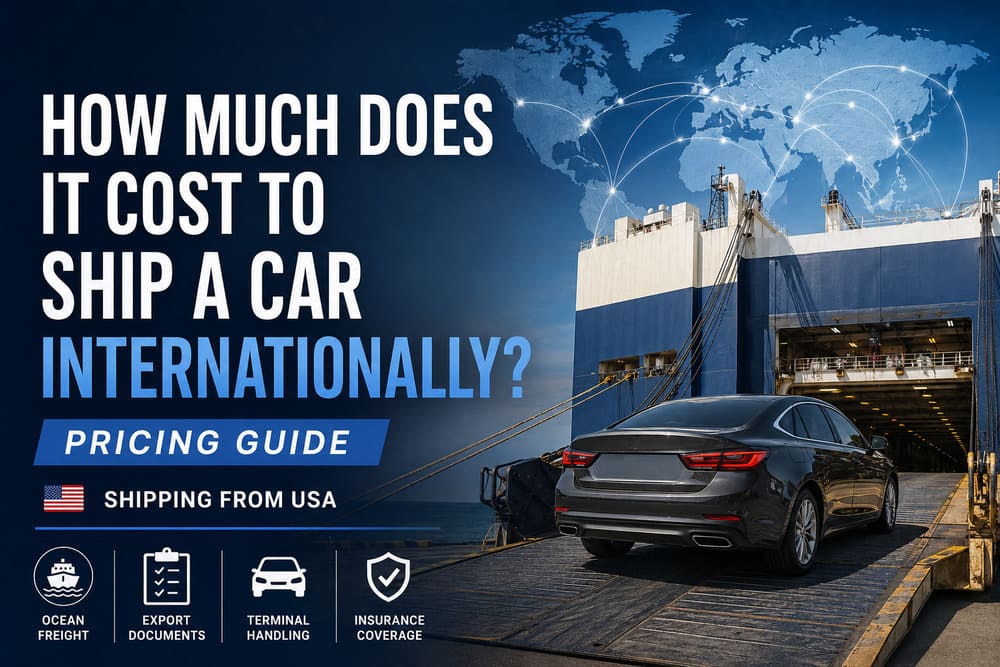
How Much Does It Cost to Ship a Car Internationally? (Pricing Guide)
Destination is the single biggest variable in international auto shipping. Ocean freight rates vary widely based on route demand, port infrastructure, and available carriers.
Blog
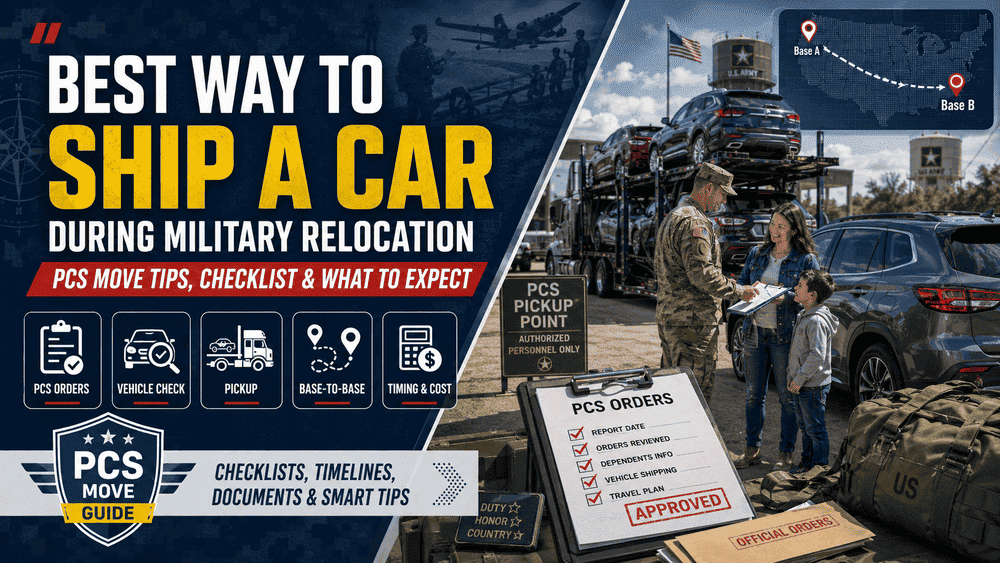
Best Way to Ship a Car During Military Relocation
Best way to ship a car during military relocation? Compare PCS options, CONUS vs OCONUS rules, carrier types, timing, costs, and prep steps.