
How Much to Ship a Car Cross Country in USA 2026
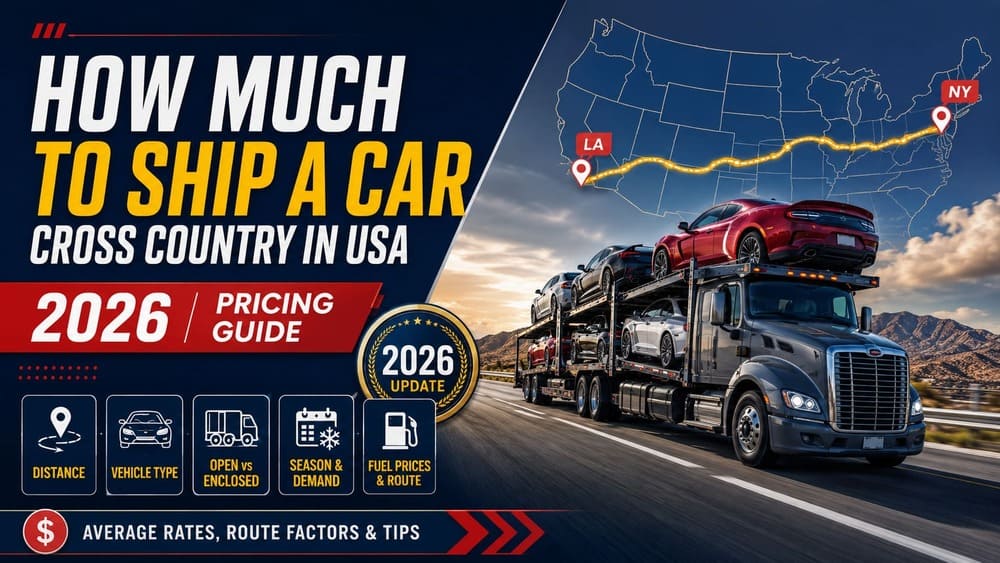
If you are asking how much to ship a car cross country, the realistic answer is usually $900 to $1,800 for open transport and $1,400 to $2,500+ for enclosed transport. The final quote depends on distance, route demand, vehicle size, carrier availability, pickup flexibility, and season. However, cross-country pricing becomes easier to understand when you know how auto transport companies build rates. This guide explains average USA cost ranges, route examples, carrier types, hidden price factors, and practical ways to compare quotes before booking.
What is cross-country car shipping?
Cross-country car shipping is the transport of a vehicle across a long-distance route in the United States, usually between regions, coasts, or states more than 1,500 miles apart.
Most people use cross-country auto transport when they relocate, buy a car online, move for school, handle military orders, or send a seasonal vehicle to another state. Instead of driving the car yourself, a licensed carrier loads the vehicle onto a transport truck and delivers it near your destination.
An open carrier is an uncovered multi-car trailer. It is the most common and usually the cheapest way to ship a standard car across the country.
An enclosed carrier is a covered trailer that protects the vehicle from weather, dust, and road debris. It costs more, but it makes sense for classic cars, exotic vehicles, luxury models, collector cars, and high-value motorcycles.
Why cross-country car shipping cost matters in the USA
Cross-country car shipping cost matters because long-distance auto transport prices can change fast. The same route may cost more or less depending on demand, fuel prices, carrier supply, season, and pickup location.
For example, a shipment from New York to California may have stronger carrier coverage than a shipment from a small rural town in Montana to a remote town in Maine. As a result, two routes with similar mileage can receive very different quotes.
In addition, major USA cities often have better carrier availability. Los Angeles, Chicago, Houston, Miami, New York, Dallas, Phoenix, and Atlanta sit near high-volume auto transport lanes. Therefore, carriers can often load and unload vehicles more efficiently in these markets.
Season also matters. Snowbird routes to Florida become busier during winter. College moves increase demand in late summer. Moreover, general relocation season can raise prices from spring through early fall.
That is why mileage is only one part of the quote. The final price also reflects how easy it is for the carrier to fill the truck in both directions.
How much to ship a car cross country by transport type?
How much to ship a car cross country depends heavily on the service type you choose. Open transport, enclosed transport, door-to-door delivery, terminal-to-terminal shipping, and expedited shipping all price differently.
Transport option | Typical cross-country price | Best for | Notes |
|---|---|---|---|
Open carrier | $900–$1,800 | Daily drivers, sedans, SUVs | Most common and usually cheapest |
Enclosed carrier | $1,400–$2,500+ | Luxury, classic, exotic cars | Better protection and fewer trailer spots |
Door-to-door shipping | $1,000–$2,000 | Convenience-focused customers | Pickup and delivery near addresses |
Terminal-to-terminal | $850–$1,700 | Flexible shippers near terminals | May add storage or handling fees |
Expedited shipping | $1,500–$2,800+ | Tight deadlines | Priority pickup costs more |
Door-to-door shipping means the carrier picks up and delivers the vehicle as close as legally and safely possible to your requested addresses. However, large transport trucks may not enter narrow streets, gated areas, or low-clearance neighborhoods. In those cases, the driver may meet you at a nearby parking lot or wide street.
Terminal-to-terminal shipping means the vehicle gets dropped off and picked up at transport terminals or storage yards. This option may lower the base quote, but it can add storage fees and extra handling.
Expedited shipping means the shipment receives faster pickup or priority scheduling. It can help when you have a strict moving date, but it usually costs more than flexible scheduling.
How to ship a car cross country step by step
Shipping a car across the country follows a clear process. However, each step affects your price, timeline, and risk.
For a broader process guide, read How to Ship a Car to Another State.
Key factors that change cross-country car shipping cost
Several factors can move a quote higher or lower. Therefore, two customers shipping similar vehicles can still receive different prices.
Distance and route density
Longer routes usually cost more in total. However, the cost per mile often drops on longer hauls.
For example, a 2,800-mile cross-country shipment may cost more overall than a 900-mile shipment. However, it may cost less per mile because the carrier earns more from the full route.
Route density also matters. New York to California, Florida to Texas, Illinois to Arizona, and California to Florida often have stronger carrier activity than rural lanes. As a result, high-volume routes can price better than difficult remote routes.
You can compare real route pages through popular car shipping routes.
Vehicle size and weight
A compact sedan usually costs less to ship than a large pickup, lifted SUV, oversized van, or heavy electric vehicle. Larger vehicles take more trailer space. They may also reduce how many cars the carrier can load.
In addition, non-standard vehicles may require special loading plans. If the car does not run, the carrier may need a winch, extra labor, or a specific trailer.
Open vs enclosed carrier
Open carrier shipping is cheaper because open trailers move more vehicles per trip. Enclosed carriers carry fewer vehicles and serve a more specialized market.
However, the lower open transport price comes with more exposure. Weather, road dust, and debris can affect the vehicle during the trip. For most daily drivers, that risk is acceptable. For high-value vehicles, enclosed transport may justify the extra cost.
Pickup and delivery flexibility
Flexible dates often lead to better rates. If you need same-day or next-day pickup, fewer carriers may be available. Consequently, the quote can rise.
Flexible locations can also help. A pickup near a major highway usually costs less than a remote residential pickup. For example, meeting near a large metro area may reduce the carrier’s detour time.
Season and demand
Prices often rise during summer relocation season, winter snowbird moves, and end-of-month moving periods. Weather can also affect routes in winter, especially across mountain states and northern corridors.
Therefore, booking early can help. A one-to-two-week lead time often gives you better options than a last-minute request.
Cross-country route examples and price ranges
Cross-country prices vary, but these examples show useful planning ranges for standard passenger vehicles.
Route example | Open carrier estimate | Enclosed carrier estimate | Typical use case |
|---|---|---|---|
New York to California | $1,100–$1,700 | $1,600–$2,400 | Coast-to-coast relocation |
Florida to California | $1,100–$1,800 | $1,700–$2,600 | Snowbird or long-distance move |
Illinois to Arizona | $850–$1,400 | $1,300–$2,000 | Midwest to Southwest move |
Texas to New York | $900–$1,500 | $1,400–$2,200 | Job relocation or online purchase |
Florida to Texas | $700–$1,200 | $1,100–$1,700 | State-to-state regional route |
California to Florida | $1,200–$1,900 | $1,800–$2,700 | Long coast-to-coast shipment |
These ranges are planning estimates, not guaranteed quotes. A small sedan on a flexible open carrier route may land near the lower end. However, an oversized SUV, rural pickup, enclosed trailer, or urgent deadline may push the quote higher.
For route-specific comparison, start with popular car shipping routes or review New York to California car shipping companies. If your move is shorter but still long-distance, you can also compare Florida to Texas car shipping companies.
Regional and city angle for cross-country shipping
Cross-country shipping works best when the route connects strong carrier markets. Los Angeles, Chicago, Houston, Miami, New York, Dallas, Phoenix, and Atlanta are important because many carriers already serve these areas.
Los Angeles
Los Angeles is one of the strongest car shipping markets in the USA. Routes from Southern California to New York, Florida, Texas, Arizona, and Illinois often have strong carrier availability.
If you are comparing West Coast options, review California car shipping companies.
Chicago
Chicago works well for Midwest shipping because it connects to both East Coast and West Coast lanes. Many cross-country routes pass through Illinois or nearby freight corridors.
For Midwest options, review Illinois car shipping companies.
Houston and Dallas
Houston and Dallas create strong Texas lanes for coast-to-coast and north-south moves. Texas routes often connect with California, Florida, New York, Arizona, and Georgia.
In addition, a flexible pickup near either metro area can improve availability. It can also reduce detours for the carrier.
Miami
Miami is important for Florida shipping, snowbird moves, and long-distance Southeast routes. Demand can rise during winter as vehicles move between northern states and Florida.
For Florida-based routes, review Florida car shipping companies.
New York
New York is a major origin and destination for cross-country moves. However, dense streets, parking limits, and toll-heavy areas can affect pickup planning.
For Northeast routes, review New York car shipping companies.
Phoenix and Atlanta
Phoenix connects well with California, Texas, Nevada, and Midwest routes. Atlanta works as a strong Southeast hub for routes moving between Florida, Texas, the Midwest, and the East Coast.
Therefore, both cities can help reduce route complexity when compared with more remote pickup or delivery locations.
How bestcarshippingcompanies.org helps with this
bestcarshippingcompanies.org helps customers compare auto transport options by location, route coverage, reviews, and service type. This matters because cross-country shipping prices depend on more than distance. Carrier availability, transport type, and route experience all influence the final quote.
The platform supports comparison for open carriers, enclosed carriers, door-to-door delivery, state-to-state shipping, expedited shipping, and other service filters. As a result, a customer can start with a city, state, or route and narrow the options before sending quote requests.
In addition, bestcarshippingcompanies.org includes company profiles, approved company listings, reviews, and route pages. This structure helps users compare multiple providers instead of relying on one quote. For a broad search, start with compare car shipping companies by city. For high-intent lanes, browse popular car shipping routes.
Common mistakes when estimating cross-country car shipping cost
Many people overpay or choose the wrong option because they compare quotes too quickly. These mistakes are easy to avoid.
Choosing the cheapest quote without checking details
The lowest quote is not always the best quote. Sometimes a low number means the shipment may sit longer before a carrier accepts it.
Therefore, compare price, pickup window, insurance, reviews, and service type together. A fair quote with clear terms often beats a cheap quote with vague details.
Waiting until the last minute
Cross-country transport needs planning. If you book late, you may face fewer carrier options and higher rates.
Book at least one to two weeks ahead when possible. In addition, avoid peak moving periods if your schedule allows it.
Forgetting to define the transport type
Open and enclosed transport are not the same service. If one quote is open and another is enclosed, the prices are not directly comparable.
Before choosing a provider, confirm trailer type, pickup window, delivery method, and whether the price includes all standard fees.
Leaving personal items in the vehicle
Car carriers usually do not cover personal belongings inside the vehicle. Remove valuables, documents, electronics, toll tags, and loose items before pickup.
Some carriers may allow limited items in the trunk. However, this must be confirmed before booking.
Skipping pickup photos
Photos protect both the customer and carrier. Take clear photos before loading, including panels, bumpers, wheels, glass, and roof areas.
In addition, take delivery photos before signing final paperwork. This makes damage disputes easier to document.
Not reading the bill of lading
The bill of lading is not just a receipt. It documents vehicle condition, pickup details, delivery confirmation, and signatures.
Review it carefully before signing. If you notice new damage, write it on the document before the carrier leaves.
Cheapest way to ship a car cross country
The cheapest way to ship a car cross country is usually open carrier transport with flexible pickup and delivery dates.
You can also reduce cost by choosing a metro-area pickup, avoiding last-minute booking, comparing several quotes, and shipping outside peak demand periods. In addition, avoid unnecessary upgrades if your car is a standard daily driver.
However, cheap should not mean risky. Check reviews, coverage details, service terms, and pickup expectations before booking. A slightly higher quote from a reliable provider can be a better value than a low quote with unclear terms.
A driveaway service means someone drives your vehicle to the destination instead of loading it onto a carrier. This can work in specific cases, but it adds mileage and wear to the car.
RoRo, or roll-on/roll-off shipping, means a vehicle is driven onto a vessel for ocean transport. It is more common in international vehicle shipping and is not the standard method for domestic cross-country USA moves.
CTA: Compare cross-country car shipping quotes
Ready to price your route? Start with popular car shipping routes and compare approved companies that serve long-distance USA auto transport lanes.
Whether you are moving from New York to California, Florida to Texas, Chicago to Phoenix, or Los Angeles to Miami, comparing several options helps you understand the real market price before you book.
Frequently Asked Questions
How much to ship a car cross country?
Shipping a car cross country usually costs between $900 and $1,800 for open carrier transport. Enclosed carrier transport often ranges from $1,400 to $2,500 or more. Your final price depends on route, vehicle size, season, pickup flexibility, and carrier availability.
How much does it cost to ship a car across country in an enclosed trailer?
Enclosed cross-country car shipping often costs $1,400 to $2,500 or more. The price is higher because enclosed trailers carry fewer vehicles and provide more protection. This option works best for classic, exotic, luxury, or collector vehicles.
What is the cheapest way to ship a car cross country?
The cheapest way to ship a car cross country is usually open carrier transport with flexible dates. You can lower the price further by choosing a major metro pickup area and booking early. However, always compare reviews, insurance details, and service terms before choosing the lowest quote.
How long does it take to ship a car across country?
Cross-country car shipping usually takes 7 to 14 days after pickup, depending on mileage and route conditions. Pickup scheduling can add another 1 to 5 days. Weather, traffic, carrier routing, and remote delivery areas can also affect timing.
Is it better to drive or ship a car cross country?
Shipping can be better if you want to avoid mileage, hotel costs, fuel expenses, road risk, and several days of driving. Driving may cost less if you have time and a reliable vehicle. However, for long coast-to-coast moves, shipping often saves time and reduces wear on the car.
Related posts

Blog
Car Shipping Quotes: Compare Companies in the USA
Car shipping quotes are price estimates from auto transport companies for moving a vehicle from a pickup location to a delivery location.
Blog
How Much Does It Cost to Ship a Car Internationally? (Pricing Guide)
Destination is the single biggest variable in international auto shipping. Ocean freight rates vary widely based on route demand, port infrastructure, and available carriers.
Blog
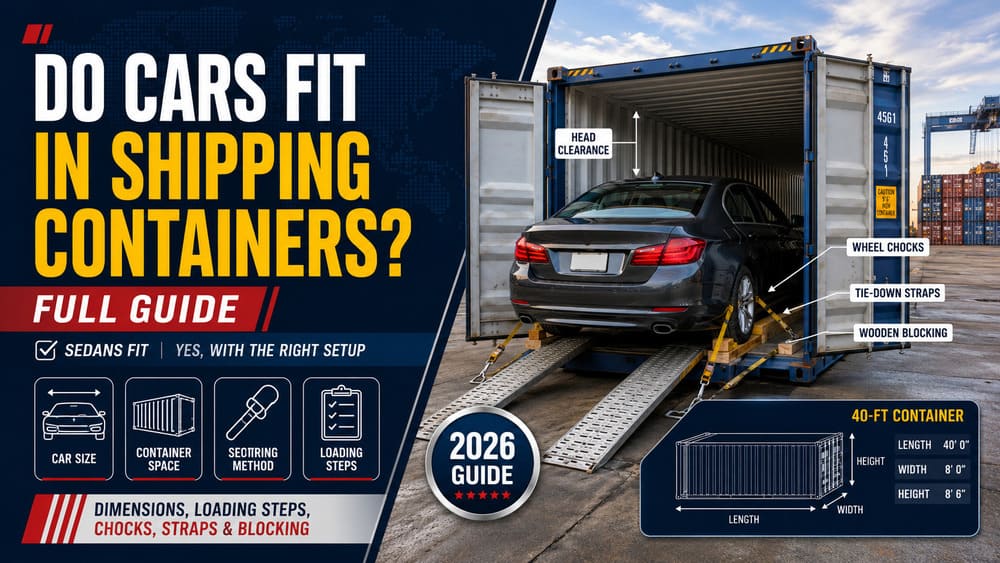
Do Cars Fit in Shipping Containers? Full Guide
Car container shipping is a vehicle transport method where a car is loaded inside a steel shipping container and moved by truck, rail, or ocean vessel.