
How to Ship a Car to Another State: A Complete Guide (2026)
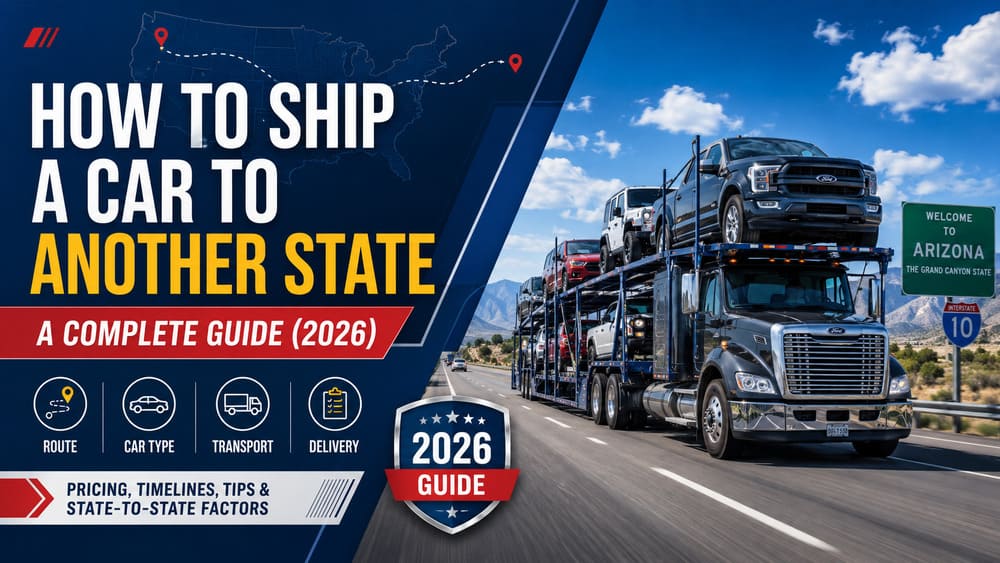
Shipping a car to another state does not have to be stressful. Whether you are relocating for work, selling a vehicle across the country, or sending a car to a college student, the process follows a clear set of steps. This guide walks you through everything — from choosing a transport type to preparing your vehicle — so you arrive at the right decision with confidence.
What Does It Mean to Ship a Car to Another State?
When you ship a car to another state, you hire a licensed auto transport carrier to move your vehicle from a pickup location to a delivery address. You do not drive the car yourself. Instead, it rides on a truck — either open or enclosed — while you travel separately.
This service is common for long-distance moves, snowbird relocations, online vehicle purchases, and military transfers. Because the distances involved are large, most people find that shipping saves both time and wear on the vehicle compared to driving it cross-country.
How Much Does It Cost to Ship a Car to Another State?
Cost is the first thing most people search for, so let's address it directly.
The price to ship a car to another state typically ranges from $500 to $1,500, depending on several factors:
Distance — Longer routes cost more. A cross-country shipment from New York to California will cost significantly more than a regional haul from Texas to Florida.
Transport type — Open transport is cheaper. Enclosed transport costs 30–50% more but protects your vehicle from weather and road debris.
Vehicle size — Larger vehicles like SUVs and trucks take up more space on the carrier, so they cost more to ship than compact sedans.
Time of year — Demand peaks in summer and around the January snowbird season. Prices are generally lower in fall and early winter.
Pickup and delivery location — Door-to-door service costs more than terminal-to-terminal. Rural areas may also carry a surcharge.
Therefore, the best way to get an accurate number is to request quotes from multiple carriers for your specific route and vehicle.
Open vs. Enclosed Auto Transport: Which Should You Choose?
When you ship a car to another state, you will need to choose between two main transport methods.
Open Transport
Open transport is the most common and affordable option. Your vehicle rides on an open-air carrier alongside other cars — the same type of truck you see on highways loaded with new vehicles from manufacturers.
Best for: Standard sedans, daily drivers, and any situation where budget matters most.
Not ideal for: High-value vehicles, classic cars, or luxury cars where paint protection is a priority.
Enclosed Transport
Enclosed transport places your vehicle inside a covered trailer. It is protected from rain, dust, road debris, and UV exposure throughout the journey.
Best for: Sports cars, vintage vehicles, luxury sedans, and motorcycles.
Not ideal for: Budget-sensitive shipments where the extra cost is not justified.
In most cases, open transport is the practical choice. However, if your vehicle is worth over $50,000 or has sentimental value, the added cost of enclosed shipping is worth it.
How Long Does It Take to Ship a Car to Another State?
Transit times vary based on the route and carrier schedule. Here is a general breakdown:
Route Distance | Estimated Transit Time |
|---|---|
Short haul (under 500 miles) | 1–3 days |
Mid-range (500–1,500 miles) | 3–5 days |
Long haul (1,500–3,000 miles) | 5–9 days |
Cross-country (3,000+ miles) | 7–14 days |
Keep in mind that carriers often run on consolidated schedules. Because they wait to fill a truck before departing, pickup windows are usually 1–5 days after your requested date. Plan accordingly, especially if you have a hard deadline.
How to Ship a Car to Another State: Step-by-Step
Here is a straightforward process to follow when arranging interstate vehicle transport.
Step 1: Get Multiple Quotes
Start by requesting quotes from at least three carriers. Compare not just the price, but also the pickup window, insurance coverage, carrier reviews, and whether the company is licensed by the Federal Motor Carrier Safety Administration (FMCSA).
Step 2: Choose Open or Enclosed Transport
Decide on your transport type based on the vehicle's value, your budget, and the route conditions. Most people choose open transport.
Step 3: Prepare Your Vehicle
Before the carrier arrives, complete the following:
Wash the car so any pre-existing damage is visible and documented
Remove all personal items from the interior — carriers are not responsible for belongings left inside
Disable any toll tags or parking passes
Check tire pressure and battery charge
Leave roughly a quarter tank of gas — enough to load and unload, but not a full tank (full tanks add weight)
Document the vehicle's current condition with photos and video from all angles
Step 4: Complete the Bill of Lading
At pickup, the driver will inspect your vehicle and record its condition on a document called the bill of lading. Review it carefully. Note any existing scratches, dents, or damage before signing. Keep a copy for your records.
Step 5: Track Your Shipment and Prepare for Delivery
Most carriers provide a general delivery window. Stay in contact with the carrier or broker as your delivery date approaches. At delivery, compare the vehicle's condition to the pickup inspection notes. If there is new damage, note it on the delivery bill of lading before the driver leaves.
What to Look for in a Car Shipping Company
Not all carriers are equal. Therefore, when evaluating a company to ship your car to another state, check the following:
FMCSA registration — The company must hold a valid USDOT number. You can verify this on the FMCSA website.
Insurance coverage — Federal law requires carriers to carry cargo insurance. Ask for the certificate of insurance before booking.
Reviews — Look for patterns in customer feedback, not just the overall star rating. Pay attention to how companies handle problems.
Transparent pricing — Avoid companies that offer unusually low quotes and then add fees later.
Clear communication — A reliable company gives you a realistic pickup window, provides tracking, and responds promptly to questions.
Common Mistakes to Avoid When Shipping a Car Interstate
Many first-time shippers run into the same issues. Here is what to watch out for:
Booking too late. Carriers fill up quickly, especially on popular routes in summer. Book at least two weeks in advance for standard transport, and four or more weeks for enclosed.
Leaving valuables in the car. Carriers are not responsible for personal items. Remove electronics, documents, and anything of value before pickup.
Not reading the insurance terms. Ask what the deductible is and what types of damage are covered. Some policies exclude certain categories.
Choosing price over reputation. The cheapest quote often comes from brokers who then struggle to find a carrier for your route. A slightly higher quote from a reputable, licensed carrier is usually a better outcome.
Skipping the inspection. Always document your vehicle's condition before and after transport. This protects you if a dispute arises.
How Much Does It Cost to Ship a Car From One State to Another? (Route Examples)
To give you a practical reference, here are typical price ranges for common US routes:
Route | Open Transport | Enclosed Transport |
|---|---|---|
New York → Florida | $800 – $1,100 | $1,200 – $1,600 |
California → Texas | $700 – $1,000 | $1,100 – $1,500 |
Illinois → Arizona | $750 – $1,050 | $1,100 – $1,500 |
New York → California | $1,000 – $1,400 | $1,500 – $2,000 |
Florida → Oregon | $1,100 – $1,500 | $1,600 – $2,100 |
These are estimates. Your actual quote will depend on vehicle size, pickup/delivery flexibility, and current carrier availability on your route.
Frequently Asked Questions
How do you ship a car to another state?
You hire a licensed auto transport carrier, choose between open or enclosed transport, prepare your vehicle, and schedule a pickup. The carrier loads your car onto a truck and delivers it to your destination. The process typically takes 1–14 days depending on the distance.
How much does it cost to ship a car to another state?
Most interstate car shipments cost between $500 and $1,500. Distance, vehicle size, transport type, and season all affect the final price. Request quotes from multiple companies to compare.
How can I ship a car to another state safely?
Choose a carrier with a valid FMCSA registration and cargo insurance. Document your vehicle's condition with photos before pickup, remove personal belongings, and review the bill of lading carefully at both pickup and delivery.
How long does it take to ship a car to another state?
Short routes under 500 miles take 1–3 days. Cross-country routes of 3,000+ miles can take 7–14 days. Expect a 1–5 day pickup window after your requested date.
What is the cheapest way to ship a car to another state?
Open transport on a flexible schedule is the most affordable option. Being flexible on pickup and delivery dates can also lower your cost, because carriers can add your vehicle to an existing run.
Find the Right Company to Ship Your Car
Now that you know how to ship a car to another state, the next step is finding a carrier you can trust for your specific route.
Best Car Shipping Companies is a free directory that helps you search by city, compare approved auto transport carriers, and request quotes from companies serving your route — all in one place. No guessing, no cold calls to random brokers. Just search your city, compare your options, and reach out directly to the carriers that match your needs.
Whether you are shipping from New York to Florida, California to Texas, or anywhere in between, the directory makes it easy to find the right carrier for your move.
Related posts

Blog
Car Shipping Quotes: Compare Companies in the USA
Car shipping quotes are price estimates from auto transport companies for moving a vehicle from a pickup location to a delivery location.
Blog
How Much Does It Cost to Ship a Car Internationally? (Pricing Guide)
Destination is the single biggest variable in international auto shipping. Ocean freight rates vary widely based on route demand, port infrastructure, and available carriers.
Blog
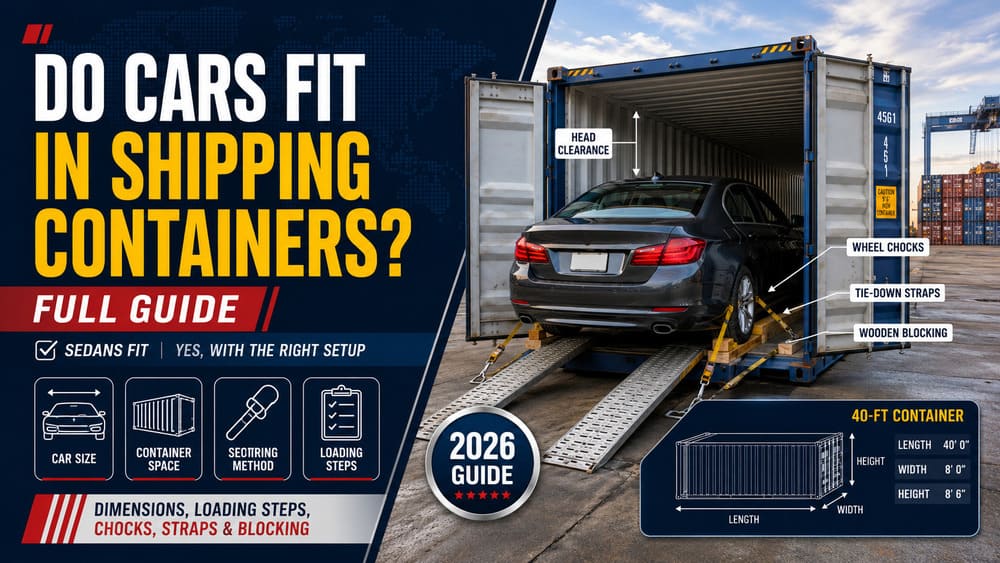
Do Cars Fit in Shipping Containers? Full Guide
Car container shipping is a vehicle transport method where a car is loaded inside a steel shipping container and moved by truck, rail, or ocean vessel.